
i just failed on American Ninja Warrior (here's how i'm bouncing back)
American Ninja Warrior Recap: What The Heck Happened On That Obstacle?
This past Monday, I was aired on season 18, episode number four of American Ninja Warrior.
And honestly, I had a ton of people reaching out showing support.
People messaging me.
Commenting.
Texting.
Just saying really kind things.
And I’m extremely appreciative of that.
Like, genuinely.
Because if you’ve ever put yourself out there in any capacity — whether it’s on TV, in business, on social media, on a stage, in a competition, whatever — you know how vulnerable that can feel.
You’re not just doing the thing.
You’re doing the thing while people are watching.
And there’s a big difference between those two.
But I also had some other people reach out and they were basically like…
“Dude… what the heck happened to you on that obstacle?”
Which is fair.
Because if you watched the episode, you saw it.
I came out strong.
I got through the Striding Steps.
I got to the Roller Coaster.
I had a ton of power coming off that thing.
My left hand came off like it was supposed to.
And then my right hand just… didn’t.
It locked up.
It hesitated.
It didn’t release.
And next thing you know, I’m hanging there, fighting for over a minute, trying to save it, trying to figure out how to recover, trying to not go swimming on obstacle two.
And then eventually…
Splash.
The Ocean Ninja hit the water.
Huge bummer.
No way around that.
But I wanted to write this because I don’t just want to give you my perspective on what happened.
That’s part of it.
But more importantly, I want to give you my perspective on how to actually overcome adversity, setbacks, or quote-unquote “failure” in any area of your life.
Because whether it’s American Ninja Warrior…
Your business…
Your finances…
Your health…
Your relationships…
Your goals…
Your dreams…
Whatever.
The reality is, at some point, you are going to get hit with something you didn’t want.
Something you didn’t expect.
Something that feels frustrating because you know you’re capable of more.
And the real question is not, “Will I ever fail?”
You will.
The real question is:
What do you do after it happens?
What Actually Happened On The Obstacle
So first, let’s talk about the obstacle.
If you saw the episode, the announcers were having fun with the whole “Ocean Ninja” thing.
They talked about how I dive off the coast of Florida searching for fossilized teeth from giant sharks.
Megalodon teeth.
Which is true.
That’s one of the things I love doing.
There’s something about being in the water, searching for something ancient, something rare, something most people will never find, that just lights me up.
So the whole “Ocean Ninja” angle is very real.
And when I got on the course, I felt good.
I made it through the Striding Steps.
Then I got to Roller Coaster.
And coming off that obstacle, I had a lot of power.
Like, a lot.
My left hand did exactly what it was supposed to do.
It let go.
But my right hand didn’t.
My right hand literally locked up.
I don’t know the perfect scientific explanation for it.
I don’t know if it was nervous system.
I don’t know if it was timing.
I don’t know if it was pressure.
But if I’m being honest, I’m pretty sure it was some type of mental block.
Because physically, I’m fit enough to do that obstacle.
I’ve been training for over a decade.
And yes, I had a broken finger.
Yes, I had injuries.
Yes, I had stuff going on.
But I’m not going to blame it on that.
Because I train with injuries all the time.
I compete with little things going on all the time.
That’s part of being an athlete.
That’s part of being a human being.
There’s almost never a perfect time where you feel 100% ready, 100% healthy, 100% prepared, 100% confident, and 100% dialed in.
That’s not how life works.
So I can’t sit here and say, “Well, I fell because of my finger.”
That would be the easy excuse.
But I don’t think that’s the truth.
The truth is, my right hand didn’t release.
There was hesitation.
There was some kind of mental block.
And that’s something I’m working on this off-season.
Because I want to be able to perform under pressure.
I want to be able to trust my training.
I want to be able to move without that split-second hesitation that changes everything.
And that’s what makes it so frustrating.
Because it’s one thing to fall because you’re not good enough.
It’s one thing to fall because you weren’t prepared.
It’s one thing to fall because you didn’t train.
But when you know you’re talented…
When you know you’re capable…
When you know you can do the thing…
And then you don’t execute?
That’s a different kind of frustration.
When You Know You’re Capable, Failure Hits Different
This is where I want to take it off of me for a second.
Because maybe you’ve never been on American Ninja Warrior.
Maybe you don’t care about obstacle courses.
Maybe you don’t dive for megalodon teeth.
Maybe you have zero desire to hang from a roller coaster-looking obstacle on national TV.
Fair.
But I’m guessing you do know what it feels like to have something not go the way you wanted.
Maybe it’s in your business.
You know your offer is good.
You know you can help people.
You know you have the skill.
But the sales aren’t coming in the way you want.
The content isn’t converting.
The leads aren’t showing up.
The launch didn’t hit.
The call didn’t close.
The month was slower than you wanted.
Or maybe it’s your finances.
You’re making progress, then something unexpected hits.
A bill.
A slow season.
A bad decision.
A setback.
And suddenly it feels like you’re behind again.
Or maybe it’s your health.
You were getting in shape.
You were dialed in.
You were feeling good.
Then life happened.
Stress happened.
Travel happened.
An injury happened.
And now you’re looking in the mirror like, “How did I get here again?”
That’s the part people don’t talk about enough.
It’s not just the setback.
It’s the meaning we attach to the setback.
It’s the story we start telling ourselves after it happens.
And that story is usually where things get dangerous.
Because most people hit a setback and then they do absolutely freaking nothing.
They don’t say that out loud.
Nobody says, “You know what? I think I’m just going to stay complacent now.”
But that’s what happens.
They fail.
They feel embarrassed.
They feel frustrated.
They feel like maybe they’re not cut out for it.
So instead of adjusting, learning, improving, and going again…
They just kind of stop.
They shrink.
They settle.
They stay busy, but they stop really pursuing the thing.
And that’s the difference.
Because when you have a big dream…
When you have a big goal…
When you’re trying to build something meaningful…
You have to be able to navigate failure in a way that allows you to keep going.
Not pretend it didn’t hurt.
Not fake positivity.
Not slap some motivational quote on it and move on.
But actually process it, learn from it, shift your perspective, and keep moving toward the thing you said you wanted.
Because failure is inevitable.
Everybody loves to say, “Success is inevitable.”
And yeah, I get the point.
But the flip side is true too.
Failure is inevitable en route to success.
Setbacks are inevitable en route to greatness.
Bad weeks are inevitable.
Bad months can happen.
Sometimes even bad years happen.
And if you don’t know how to handle that, you’ll quit on dreams that still had a chance.
The First Thing I Had To Do: Zoom Out
I don’t have some fancy step-by-step framework for this.
This isn’t me trying to come in with some polished, perfect, “Here are the five pillars of overcoming adversity” type of thing.
This is just how I’m actually processing it.
But if I had to break it down, the first thing would be this:
Zoom out and change your perspective.
Because in the moment, it’s really easy to zoom in.
You replay the moment over and over and over again.
You think about what you should have done.
You think about what you could have done.
You think about what people saw.
You think about the fact that you went out earlier than you wanted.
You think about how much better you know you are.
You think about how frustrating it is.
And if you’re not careful, you start beating yourself up.
You start self-flagellating.
You start dragging yourself down mentally and emotionally.
And listen, I’m not saying you shouldn’t care.
I care.
A lot.
I’m competitive.
I wanted to do better.
I wanted to show what I’m capable of.
I wanted to go further.
So this is not about pretending it doesn’t matter.
It does matter.
But when you only look at the one moment that went wrong, you lose sight of the bigger picture.
So I had to zoom out.
And one of the questions I asked myself was:
“What would the 12-year-old version of me say right now?”
And honestly?
The 12-year-old version of me would be freaking pumped.
He’d be like…
“Dude, you were on American Ninja Warrior? What?”
He probably wouldn’t even believe me.
Because I wasn’t some naturally gifted athlete growing up.
I was a scrawny bench warmer.
I wasn’t good at sports.
I was scared of the ball hitting me.
I wasn’t the kid everyone looked at and said, “Yeah, that guy is going to be on national TV competing on American Ninja Warrior one day.”
Not even close.
So when I zoom out and look at it from that perspective, I can’t help but feel grateful.
This was my second season on the show.
I got the opportunity to compete.
I got aired.
My family got to be there.
My wife and kids were on the sidelines watching.
That matters.
That’s not nothing.
And sometimes we’re so obsessed with the part that didn’t go right that we completely dismiss how far we’ve already come.
That’s true in business too.
You might be beating yourself up because you’re not at seven figures yet.
But the version of you five years ago would be proud that you even started.
You might be frustrated because your content isn’t producing the way you want.
But the old version of you would be amazed that you’re even putting your voice out there.
You might be annoyed that you’re not where you want to be financially.
But maybe the younger version of you would look at your life and say, “Wait, we built this?”
That doesn’t mean you settle.
That doesn’t mean you stop pushing.
That doesn’t mean you lower your standards.
It just means you stop using your ambition as a weapon against yourself.
Because you can be grateful for how far you’ve come and still be hungry for where you’re going.
Those two things can exist at the same time.
Gratitude Doesn’t Mean You’re Not Competitive
I think sometimes people hear “change your perspective” and they think that means you’re supposed to just be happy with everything.
Like, “Oh well. At least I tried.”
That’s not what I’m saying.
I’m not saying lower your standards.
I’m not saying pretend failure feels good.
I’m not saying act like you don’t care.
I care.
I’m frustrated.
I wanted more.
But gratitude helps you not spiral.
Gratitude helps you not turn one bad moment into an identity.
Gratitude helps you remember that the story is bigger than one obstacle, one call, one launch, one month, one post, one season.
And that’s important because the natural human tendency is to make the moment mean more than it needs to mean.
You fall on obstacle two and your brain wants to go…
“Maybe I’m not good enough.”
“Maybe I choked.”
“Maybe I’m not built for this.”
“Maybe everyone thinks I’m not that good.”
Same thing in business.
You have a bad sales call and your brain goes…
“Maybe my offer sucks.”
You post content and it doesn’t hit and your brain goes…
“Maybe nobody cares what I have to say.”
You have a slow month and your brain goes…
“Maybe this isn’t going to work.”
And that’s the danger.
Because the setback is one thing.
But the identity shift that can happen after the setback?
That’s what really messes people up.
So the first move is perspective.
Zoom out.
Look at the bigger picture.
Ask yourself:
What would the younger version of me think about where I am right now?
What would the version of me five or ten years ago be proud of?
What progress am I dismissing because I’m obsessed with what didn’t go right?
What part of this experience can I still be grateful for?
That doesn’t erase the frustration.
But it keeps the frustration from owning you.
The Second Thing: Control What You Can Control
After perspective, the next thing is control.
Not control in the sense of trying to control every outcome.
You can’t.
You can’t control every obstacle.
You can’t control every audience.
You can’t control every month in business.
You can’t control every person’s opinion.
You can’t control every variable.
But you can control what you do next.
And this is where people get stuck.
Because after something goes wrong, they live in the past.
They replay it.
They obsess over it.
They keep asking questions that don’t actually move them forward.
“Why did this happen to me?”
“I should have done this.”
“I should be further along.”
“What if I had done that?”
“Why didn’t it go differently?”
Blah, blah, blah, blah, blah.
And I get it.
I do it too.
But if you live in the past, you’re going to recreate the same or similar future.
Because you’re perpetuating the same thinking…
The same beliefs…
The same behaviors…
The same emotional state…
That got you the old results.
So at some point, you have to stop living in the replay and come back to the present.
Because the present is the only place where you can actually change anything.
For me, that means asking:
What can I train?
What can I improve?
What skill needs to get sharper?
What part of my performance broke down?
What do I need to practice under more pressure?
Because clearly, I don’t just need to be physically strong enough.
I need to be able to execute under the spotlight.
I need to be able to perform when the cameras are on, when the crowd is there, when my family is watching, when the stakes feel bigger.
So this off-season, that’s something I’m going to work on.
Better technique.
Better pressure training.
More competitions.
More situations where I have to execute under stress.
More reps where my body learns to trust the movement without that mental hesitation.
And the same thing applies to whatever area you’re trying to grow in.
What Skills Do You Need To Build Right Now?
In business, maybe you don’t need to sit there and beat yourself up because you had a slow month.
Maybe you need to get better at marketing.
Maybe you need to get better at sales.
Maybe you need to get better at influence.
Maybe you need to get better at communication.
Maybe you need to get better at copywriting.
Maybe you need to learn how to say what you do in a way that actually makes people care.
Maybe you need to learn how to shift beliefs.
Maybe you need to build a better system.
Because certain skills, once you get better at them, allow you to create a different future.
That’s the part we have to take responsibility for.
Not in a shame-based way.
Not in a “beat yourself up” way.
But in an empowered way.
Like…
“Cool. This happened. What do I need to learn from it?”
That’s a much more useful question than, “Why am I such an idiot?”
Because one question creates growth.
The other creates shame.
And shame does not make you better.
Skill does.
Reps do.
Awareness does.
Adjustment does.
Better systems do.
So if you’re facing a setback right now, ask yourself:
What skill, if improved, would make this less likely to happen again?
What do I need to practice more deliberately?
Where am I relying on talent when I actually need better technique?
Where am I avoiding pressure instead of training for it?
What system would help me perform more consistently?
Because a lot of people don’t actually have a character problem.
They have a skill problem.
Or a system problem.
Or a practice problem.
And those are fixable.
Your Beliefs Are Either Pulling You Forward Or Holding You Back
The other piece is beliefs.
Because it’s not just skills.
You can have the skill and still hesitate.
You can be capable and still not execute.
You can have the knowledge and still sabotage yourself.
So another question I’ve been asking is:
What beliefs need to shift?
Because if there’s a mental block, there’s usually a belief somewhere underneath it.
Maybe it’s a belief about pressure.
Maybe it’s a belief about being seen.
Maybe it’s a belief about whether you can actually perform when it matters.
Maybe it’s something that doesn’t even feel obvious at first.
And the only way to work through it is to become aware of it.
That’s true in business all the time.
I see people with limiting beliefs around selling.
They say they want to make money, but deep down they feel weird about asking for money.
They say they want more clients, but they feel guilty promoting.
They say they want to grow, but they’re scared of being judged.
They say they want to lead, but they’re afraid of being seen.
Then they wonder why they’re kind of broke.
And I don’t mean that in a harsh way.
I mean, become aware of the beliefs that are creating the behavior.
Because if you believe selling is bad, you’ll avoid selling.
If you believe money makes you greedy, you’ll sabotage making more of it.
If you believe visibility is dangerous, you’ll hide.
If you believe pressure means you’re going to fail, your body might hesitate when it matters most.
That’s why awareness matters.
You have to look at the next level version of yourself and ask:
“What would that version of me believe?”
Because the version of you that creates the next result probably doesn’t think the same way the current version of you thinks.
They don’t believe the same things.
They don’t tolerate the same behaviors.
They don’t practice the same way.
They don’t interpret failure the same way.
They don’t make one bad moment mean they’re done.
So you start borrowing beliefs from people who already have what you want.
You look at people who perform under pressure.
You look at people who have built the business.
You look at people who have achieved the thing.
And instead of just copying their tactics, you start studying how they think.
What do they believe about failure?
What do they believe about money?
What do they believe about sales?
What do they believe about training?
What do they believe about pressure?
What do they believe about themselves?
Then you start installing those beliefs into your own life.
Not in some fake affirmation way where you just say stuff you don’t believe.
But by practicing the thoughts, behaviors, and decisions that support the identity you’re trying to become.
Because when you can take control of your beliefs…
And take control of your behaviors…
And learn better skills…
You can start creating a better future.
The Third Thing: Play On A Longer Time Horizon
The third thing that helps me is zooming out over a longer time horizon.
Because in the moment, a setback feels massive.
It feels heavy.
It feels like the whole thing.
But when you stretch the timeline out, it starts to feel different.
For me, I plan to do Ninja Warrior until I physically can’t.
Like, if my body allows it, I want to be doing this for the next 20 or 30 years.
I’ve already been at this for over a decade.
And I plan to be at it a lot longer.
So when I look at this season through that lens, it changes the emotional weight of it.
This wasn’t my entire Ninja Warrior story.
This was one season.
One run.
One obstacle.
One moment.
A frustrating moment, yes.
A disappointing moment, yes.
But still just a blip in the grand scheme of things.
And that matters.
Because when you’re playing a long game, you don’t let one short-term setback define the whole story.
Same thing in business.
If you have a bad week, okay.
If you have a bad month, okay.
Even if you have a bad year, okay.
That doesn’t mean you ignore it.
That doesn’t mean you pretend it’s fine.
You go back to the work.
You ask:
What belief needs to shift?
What skill needs to improve?
What system needs to be better?
What behavior needs to change?
But you don’t let one chapter convince you the book is over.
Because if you’re really building something meaningful, you have to think in decades, not days.
Most people are too zoomed in.
They have one bad post and they think their message doesn’t work.
They have one bad launch and they think their offer is broken.
They have one bad call and they think they’re bad at sales.
They have one bad month and they think the business is falling apart.
But when you zoom out, you realize…
This is just part of the process.
It’s not fun.
It’s not what you wanted.
But it’s not the end.
The longer the timeline, the lighter the setback becomes.
That doesn’t mean it doesn’t matter.
It just means it doesn’t get to define you.
Learn From The Past, But Don’t Live There
This is really the big thing.
You have to learn the lessons of the past without living in the past.
Because when adversity hits, it’s easy to live in what went wrong.
You replay it.
You analyze it.
You think about it while driving.
You think about it before bed.
You think about it in the shower.
You think about it when you’re trying to work.
And at some point, reflection turns into rumination.
Reflection is useful.
Rumination is not.
Reflection says:
“What can I learn?”
Rumination says:
“What’s wrong with me?”
Reflection says:
“What needs to change?”
Rumination says:
“Why did this happen?”
Reflection moves you forward.
Rumination keeps you trapped.
So yes, look back.
Yes, learn the lesson.
Yes, be honest about what happened.
But then apply the lesson to the present.
Because the present is where the next rep happens.
The present is where the next sales call happens.
The present is where the next workout happens.
The present is where the next piece of content happens.
The present is where the next decision happens.
That’s how you create a better future.
Not by pretending the past didn’t happen.
But by refusing to live there.
My Kids Didn’t Care That I Fell On Obstacle Two
One of the coolest parts of this whole experience was having my wife and kids there.
They were on the sidelines watching.
And honestly, my kids didn’t care that I fell on obstacle two.
You know what I mean?
They weren’t sitting there analyzing my technique.
They weren’t like, “Dad, your right hand didn’t release properly off Roller Coaster.”
They didn’t care.
They were just like…
“That’s so cool. My dad is on Ninja Warrior.”
And that hit me.
Because while I obviously want to perform well…
While I obviously want redemption…
While I obviously want to show what I’m capable of…
There’s something bigger happening too.
My kids are watching me chase a dream.
They’re watching me not give up.
They’re watching me do something hard.
They’re watching me put myself out there.
They’re watching me fall and keep going.
And that might be more important than the result.
Because I’m showing them what’s possible when you don’t quit on something just because it’s hard.
I’m showing them that you can be disappointed and still be proud.
You can fall and still keep training.
You can have a setback and still submit for the next season.
You can feel frustrated and still keep moving.
And that’s the example I want to be.
Not the guy who only shows up when everything goes perfectly.
Not the guy who hides when he fails.
Not the guy who tells his kids to follow their dreams while secretly quitting on his own.
I want to be the guy who keeps going.
And I think that’s something we all have to think about.
Because whether you realize it or not, somebody is watching you.
Your kids.
Your spouse.
Your clients.
Your team.
Your friends.
Your audience.
The people who need your example more than your perfection.
And sometimes the most powerful thing you can give them is not a highlight reel.
It’s watching you face something hard and keep going anyway.
Be The Example For The People Watching You
This is where I want to bring it back to you.
Because again, this isn’t just about Ninja Warrior.
This is about your life.
Your business.
Your goals.
Your dreams.
Your adversity.
Your setbacks.
Your quote-unquote failures.
How can you be the example for the people in your life?
How can you show them what it looks like to not give up?
How can you show them what it looks like to keep moving when things don’t go your way?
How can you show them what it looks like to be disappointed but not defeated?
Because that’s the real work.
Anybody can be motivated when they’re winning.
Anybody can show up when the results are coming in.
Anybody can believe when everything is going according to plan.
But who are you when it doesn’t?
Who are you when the launch flops?
Who are you when the client says no?
Who are you when the scale goes the wrong direction?
Who are you when the obstacle takes you out earlier than you wanted?
Who are you when the thing you trained for doesn’t go the way you pictured it?
That’s where your character is built.
Not in the easy moments.
In the moments where you have every reason to feel embarrassed, frustrated, discouraged, or defeated…
And you still choose to move forward.
That’s influence.
That’s leadership.
That’s what people actually remember.
Not that everything went perfectly.
But that you didn’t quit when it didn’t.
The Goal Now: Redemption
I’m currently in the process of working on my submission video for American Ninja Warrior season 19.
And yes, I want a chance to redeem myself.
I want to get back on that course.
I want to show myself what I’m capable of.
I want to show my kids what it looks like to keep going.
I want to show the people watching that one setback is not the end of the story.
And more than anything, I want to keep becoming the version of myself who can handle the pressure, execute the skills, and keep chasing the dream.
Because that’s really what this is.
It’s not just about an obstacle course.
It’s not just about TV.
It’s not just about making it further on the show.
It’s about the pursuit.
It’s about who you become on the way.
It’s about the discipline.
The training.
The resilience.
The willingness to look at yourself honestly and say, “Okay, that didn’t go how I wanted. What do I need to change?”
It’s about not letting failure harden you.
Not letting disappointment make you bitter.
Not letting one bad moment steal the dream.
Because dreams are easy to talk about when they’re exciting.
They’re harder to keep chasing when they hurt.
And that’s where most people stop.
But if the dream matters, you don’t stop just because one attempt didn’t go how you wanted.
You learn.
You adjust.
You train.
You shift.
You come back better.
The Bigger Lesson
So if I had to tie this whole thing together, it would be this:
Don’t live in the past.
Learn from it.
Take the lesson.
Apply it to the present.
And use it to create a better future.
Because setbacks are going to happen.
Failure is going to happen.
Adversity is going to happen.
That’s not the question.
The question is whether you’re going to let it make you quit, or whether you’re going to let it make you better.
For me, I’m choosing better.
I’m choosing to look at what happened honestly.
I’m choosing to train the skill.
I’m choosing to work on the mental block.
I’m choosing to zoom out.
I’m choosing to be grateful.
I’m choosing to keep the long-term perspective.
I’m choosing to remember that the 12-year-old version of me would be proud.
I’m choosing to remember that my kids are watching.
And I’m choosing to keep going.
Not just for me.
But for everybody watching.
And I hope you do the same.
Whatever setback you’re facing right now…
In your business…
Your finances…
Your health…
Your dream…
Your life…
Don’t make it mean you’re done.
Don’t make it mean you’re not capable.
Don’t make it mean the dream is over.
Zoom out.
Take control of what you can control.
Build the skill.
Shift the belief.
Adjust the system.
Play the long game.
And keep going.
Because one obstacle is not the whole course.
One season is not the whole career.
One setback is not the whole story.
And sometimes the most powerful thing you can do is get back up, go back to work, and become the example for the people who need to see what’s possible when you don’t give up.
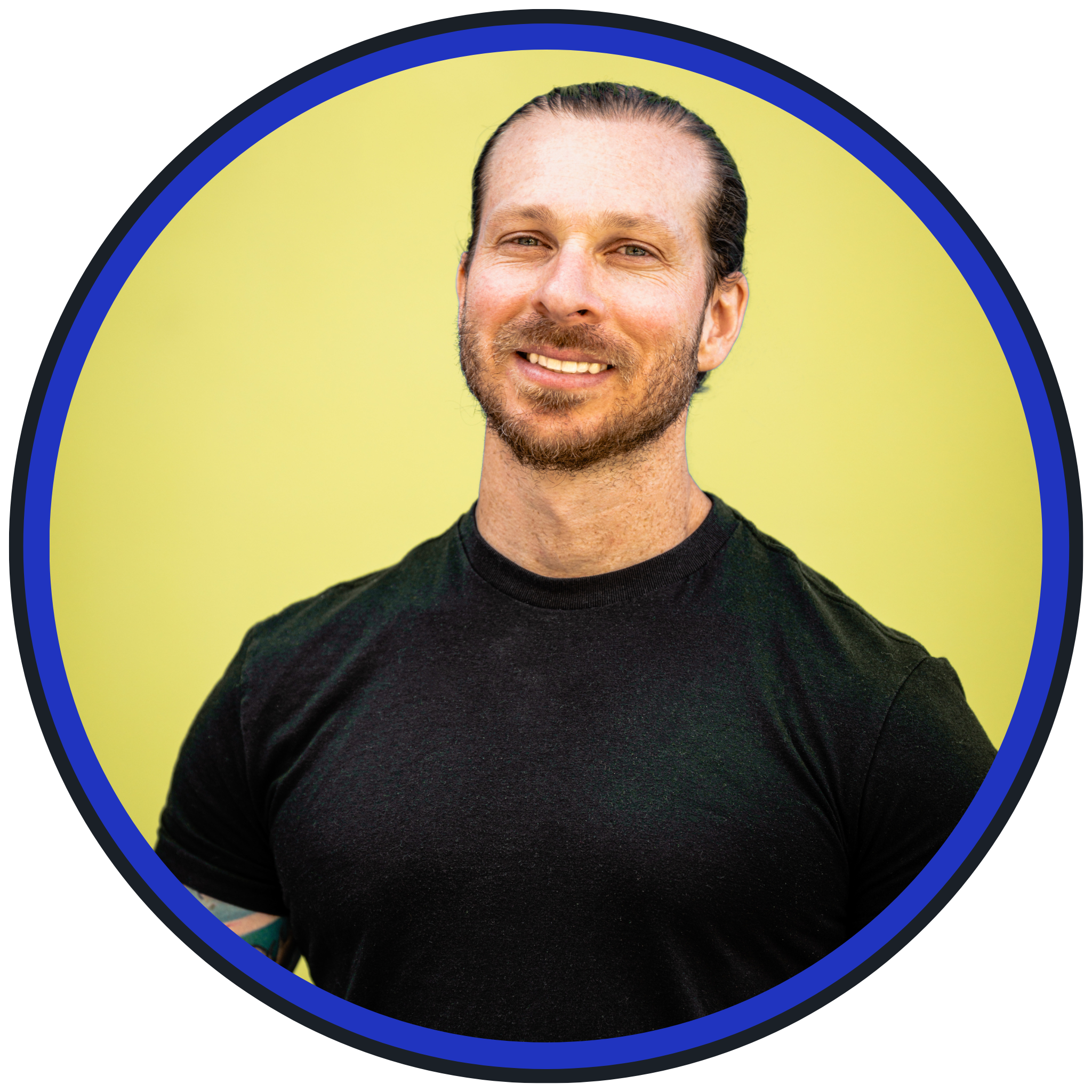
Who Is Jason Meland?
I am a value creator, mentor, and entrepreneur. I help online coaches master their messaging, attract dream clients, and build thriving high profit, high impact businesses.
When You’re Ready, Here’s How I Can Help You:
Grab a copy for the 5 posts responsible for 7 figures in online fitness sales: https://www.indemandcoach.com/5-posts-ebook-2505
Join the waitlist to get an invite to join the Client Attraction Accelerator https://www.indemandcoach.com/in-demand-waitlist
Work with me personally 1:1 to build a high profit, high impact online coaching business. DM me "mentorship" here for details
